Best Spinal Cord Tumour Treatment In Mumbai
Your spine supports your nervous system and protects it from injury, making it the foundation of your physical well-being. Infections and spinal cord tumors can disrupt this balance, causing discomfort and other problems. Dr. Krishna Shroff, the best spine infection and tumor doctor in Marin lines, Mumbai is an expert in identifying and treating these medical conditions, providing personalized care that puts your well-being first.
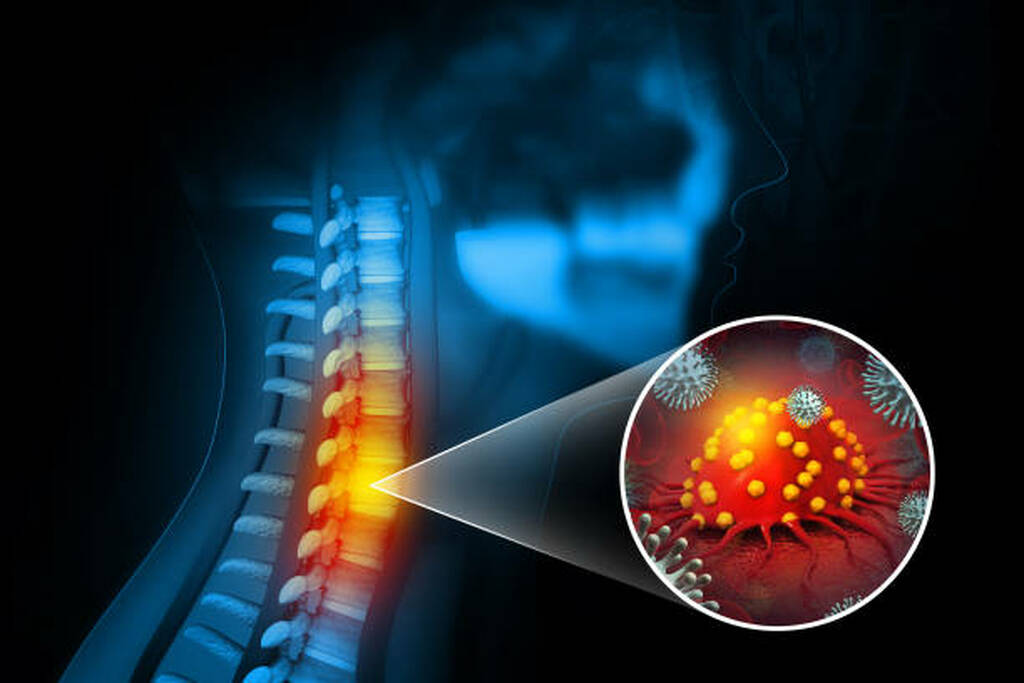
Best Spinal Cord Tumour Treatment In Mumbai.Disorders known as spinal tumors develop in nearby bones, the spinal cord, or nerves. These growths can be dangerous, or cancerous, or benign, showing that they are not cancerous. Early detection is essential to manage symptoms and avoid consequences, regardless of type.
Types of Spinal Tumors
Intramedullary Tumors : These tumors originate from the cells within the spinal cord. Common types include gliomas, astrocytomas, and ependymomas.
Extramedullary Tumors : These tumors grow in the membranes surrounding the spinal cord or from the nerve roots that branch out from the spinal cord. Examples include meningiomas, neurofibromas, and schwannomas. Though these tumors do not originate within the spinal cord, they can cause significant compression and impair spinal cord function.
Metastatic Tumors: In some cases, tumors from other parts of the body can spread (metastasize) to the vertebrae or surrounding tissues, impacting the spinal cord.
Symptoms
Some of the common causes include:
Localized Pain : Pain at the tumor site, which can radiate to other areas, such as the hips, legs, or arms.
Neurological Symptoms: These may include numbness, tingling, or loss of sensation in the limbs, and muscle weakness.
Changes in Bowel or Bladder Function: Loss of control over these functions can occur with advanced tumor growth.
Back Pain: Often worsening at night, back pain can be an early warning sign of a spinal tumor.
Difficulty Walking : As the tumor grows, it may impair mobility and balance.
Causes and Risk Factors
The exact cause of most spinal tumors remains unclear. Genetic mutations are suspected to play a role, with some tumors being linked to inherited conditions such as:
Neurofibromatosis Type 2: A genetic disorder characterized by the growth of benign tumors on nerves, which can also lead to spinal tumors.
Von Hippel-Lindau Disease: This rare condition is associated with various tumors, including those affecting the spinal cord.Environmental factors, such as exposure to certain chemicals, may also contribute to the development of these tumors.
Diagnosis
Magnetic Resonance Imaging (MRI): This is the preferred imaging modality for evaluating spinal tumors. MRI uses powerful magnets and radio waves to create detailed images of the spine and surrounding structures.
Computerized Tomography (CT) Scan: While less common than MRI, CT scans can provide additional information about the spinal anatomy and any abnormalities present.
Biopsy: To determine the specific type of tumor, a tissue sample may be taken for microscopic examination.
Why Choose Us
-
Specialized Trauma Expertise: Our neurosurgeon has extensive experience in managing critical brain and spine trauma cases.
-
24/7 Emergency Care: Immediate intervention for life-threatening injuries.
-
Advanced Surgical Techniques: Use of minimally invasive and neuronavigation-assisted procedures for precise treatment.
-
Comprehensive Rehabilitation: A multidisciplinary approach to help patients regain maximum function.
-
Compassionate Patient Support: Continuous guidance and care for patients and families throughout recovery.