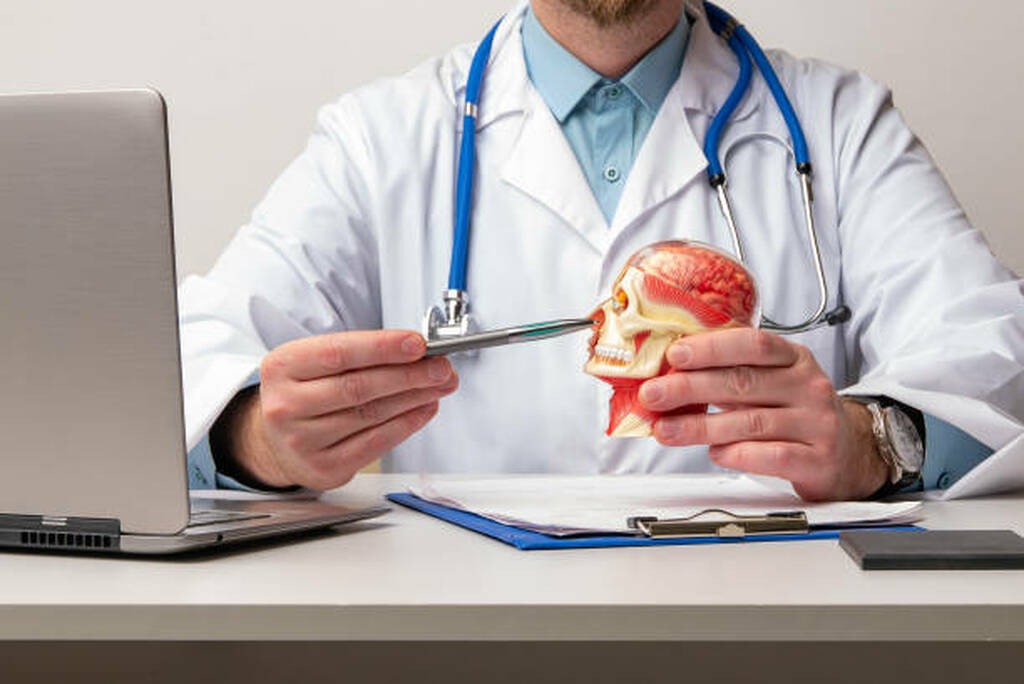
Best Skull Base Surgeon In Marine Lines
Skull base surgery involves the treatment of tumors and other conditions located at the base of the skull, which may affect the sinuses, ears, surrounding vascular structures, and the brain. Modern skull base surgery in India is performed in collaboration with a multidisciplinary team, including ENT and head and neck surgeons, neurosurgeons, vascular surgeons and interventional radiologists. Best Skull Base Surgeon In Marine Lines,Mumbai.
Types of Skull Base Surgery Offered
Endoscopic Pituitary Tumor Removal : his minimally invasive surgery is performed through the nose and sinuses using an endoscope, a small camera and light, to remove tumors from the pituitary gland. The procedure involves making small openings in the sphenoid sinus and sella to access the pituitary gland. The neurosurgeon then removes the tumor while minimizing disturbance to surrounding tissues.
Benefits: This approach reduces recovery time and complications compared to traditional open surgery, offering a quicker return to normal activities with less post-operative discomfort.
Endoscopic CSF Leak Closure : Used to repair leaks of cerebrospinal fluid (CSF) that occur when there is a hole in the bone or dura mater of the brain. This minimally invasive procedure is performed through the nostrils, using endoscopic techniques to identify and repair the leak with tissue grafts from the body.
Benefits: Prevents potential infections and complications associated with CSF leaks, with minimal disruption to the skin and a typically shorter hospital stay.
Seizures : An endoscopic technique used to relieve pressure on the eyeball or optic nerve by removing portions of the optic channel through the nose. This procedure is aimed at treating visual loss caused by pressure on the optic nerve.
Benefits: Provides relief from pressure without the need for external incisions, which helps in faster recovery and less visible scarring.
Microscopic Facial Nerve Decompression : Performed through the mastoid bone behind the ear to relieve pressure on the facial nerve, which controls facial muscles. The surgery involves removing sections of bone to alleviate nerve compression and restore facial movement.
Benefits: Improves facial function and appearance by addressing facial paralysis or weakness, with tailored approaches depending on individual needs.
Glomus Tumor Excision : Involves the surgical removal of slow-growing, benign vascular tumors located at the ear and skull base. This procedure often requires collaboration between ENT specialists, neurosurgeons, and vascular surgeons to carefully isolate and remove the tumor.
Benefits: Effective in treating these tumors while preserving surrounding structures and functions, with a focus on minimizing complications
Acoustic Neuroma Removal : Surgical removal of benign tumors affecting the hearing and balance nerves. The approach can vary between suboccipital and translabyrinthine, depending on the tumor's location and size. This procedure may be performed by a neurosurgeon or neuro-otologist.
Benefits: Offers potential relief from symptoms associated with acoustic neuromas, such as hearing loss and balance issues, with strategies for preserving hearing and facial nerve function.
Symptoms
Some of the common symptoms include:
Facial pain
Headache
Dizziness
Vision problems
Numbness
Weakness of the face
Hearing loss or ringing in the ears
Stuffy nose or frequent sinus infections.
Hormonal disorder
Diagnosis
Prompt and accurate diagnosis is essential and involves:
-
Clinical Neurological Examination: To assess sensory and motor function.
-
Imaging Tests:
CT Scan: Rapid assessment of fractures or bleeding.
MRI: Detailed view of soft tissue, spinal cord, and nerve damage.
-
X-rays: For initial assessment of bone injuries.
Why Choose Us
-
Specialized skull base surgeon Expertise: Our neurosurgeon has extensive experience in managing critical brain and spine trauma cases.
-
24/7 Emergency Care: Immediate intervention for life-threatening injuries.
-
Advanced Surgical Techniques: Use of minimally invasive and neuronavigation-assisted procedures for precise treatment.
-
Comprehensive Rehabilitation: A multidisciplinary approach to help patients regain maximum function.
-
Compassionate Patient Support: Continuous guidance and care for patients and families throughout recovery.