Best Brain Tumour Specialist In Mumbai
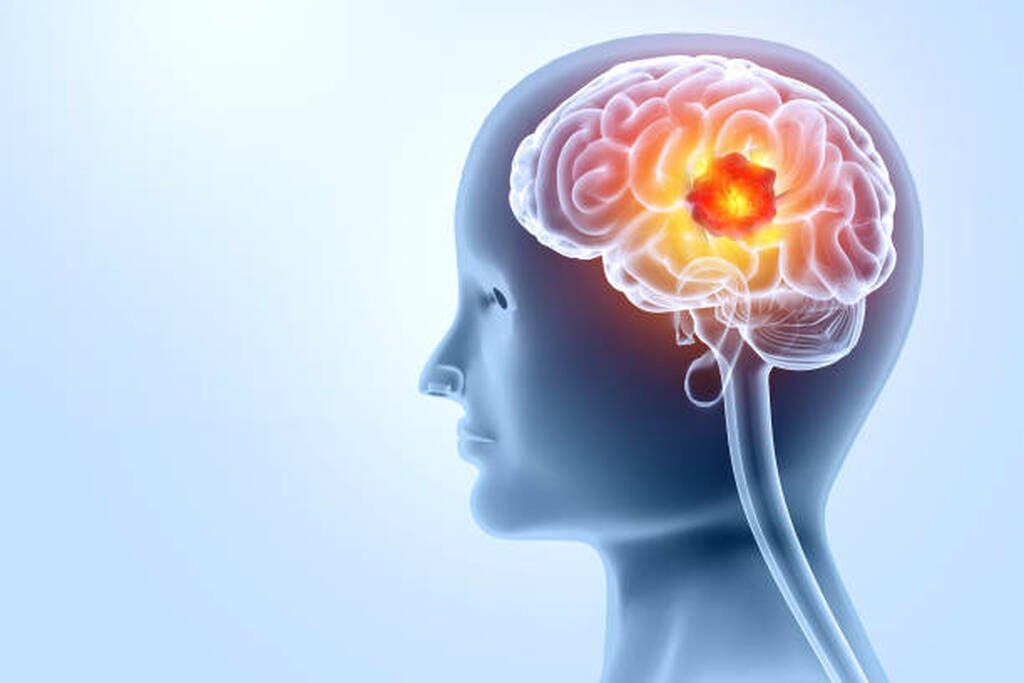
Brain tumors are abnormal growths that can develop in the brain or surrounding tissues. They can be cancerous (malignant) or non-cancerous (benign). Brain tumors can affect people of all ages, but they are more common in older adults. Best Brain Tumour Specialist In Mumbai
There are several types of brain tumors, including gliomas and meningiomas.
Gliomas are a type of tumor that develops in the glial cells, which provide support and insulation for the brain's nerve cells.
Meningiomas, on the other hand, are tumors that develop in the membranes that cover the brain and spinal cord.
Symptoms of Brain Tumors
Some of the common symptoms include:
Headaches that are worse in the morning
Nausea and vomiting
Seizures
Blurred or double vision
Weakness or numbness in the limbs
Difficulty speaking or understanding language
Changes in personality or behavior
Causes of Brain Tumor
Some of the common causes include:
Age
Exposure to Harmful Chemicals
Family History
History of Radiation Therapy to Brain
Types of Brain Trauma
Brain injuries can range from mild to severe and may include:
Concussion: A mild traumatic brain injury causing temporary confusion, headache, or dizziness.
Contusion: Bruising of the brain tissue.
Skull Fractures: Breaks in the skull bone, sometimes leading to brain damage.
Epidural or Subdural Hematomas: Accumulation of blood between the skull and brain, requiring urgent surgical drainage.
Diffuse Axonal Injury: Widespread brain tissue damage often seen in severe head trauma.
Diagnosis
Prompt and accurate diagnosis is essential and involves:
-
Clinical Neurological Examination: To assess sensory and motor function.
-
Imaging Tests:
CT Scan: Rapid assessment of fractures or bleeding.
MRI: Detailed view of soft tissue, spinal cord, and nerve damage.
-
X-rays: For initial assessment of bone injuries.
Treatment Options
The treatment goal is to stabilize the patient, relieve pressure on the brain or spinal cord, and prevent further injury.
1. Emergency Medical Care
-
Airway, breathing, and circulation stabilization.
-
Managing swelling in the brain with medications.
-
Close monitoring in an intensive care unit.
2. Surgical Intervention
-
For Brain Trauma:
-
Removal of blood clots (hematomas)
-
Decompressive craniectomy (removing part of the skull to relieve pressure)
-
Repair of skull fractures
-
-
For Spine Trauma:
-
Spinal decompression surgery to relieve pressure on the spinal cord or nerves
-
Stabilization using screws, rods, or plates (spinal instrumentation)
-
Repair of damaged discs or ligaments
-
3. Rehabilitation
-
Early physiotherapy and occupational therapy to restore mobility, strength, and independence.
-
Multidisciplinary support from neurologists, rehabilitation specialists, and psychologists.
Recovery and Aftercare
-
Hospital Stay: Depends on injury severity—may range from a few days to several weeks.
-
Ongoing Monitoring: Regular imaging and neurological assessments.
-
Rehabilitation: Essential for maximizing recovery and improving quality of life.
-
Family Education: Guidance on long-term care for patients with severe injuries.
Why Choose Us
-
Specialized Trauma Expertise: Our neurosurgeon has extensive experience in managing critical brain and spine trauma cases.
-
24/7 Emergency Care: Immediate intervention for life-threatening injuries.
-
Advanced Surgical Techniques: Use of minimally invasive and neuronavigation-assisted procedures for precise treatment.
-
Comprehensive Rehabilitation: A multidisciplinary approach to help patients regain maximum function.
-
Compassionate Patient Support: Continuous guidance and care for patients and families throughout recovery.