Best Brain Tumour Specialist In Mumbai
If you or your loved ones require best brain surgery in Marine Lines Mumbai, consult Dr. Krishna Shroff, a highly-qualified and skilled neurosurgeon, for expert guidance and effective treatment. Expertise can provide you with the trust and assurance needed during this critical journey towards recovery and improved quality of life.
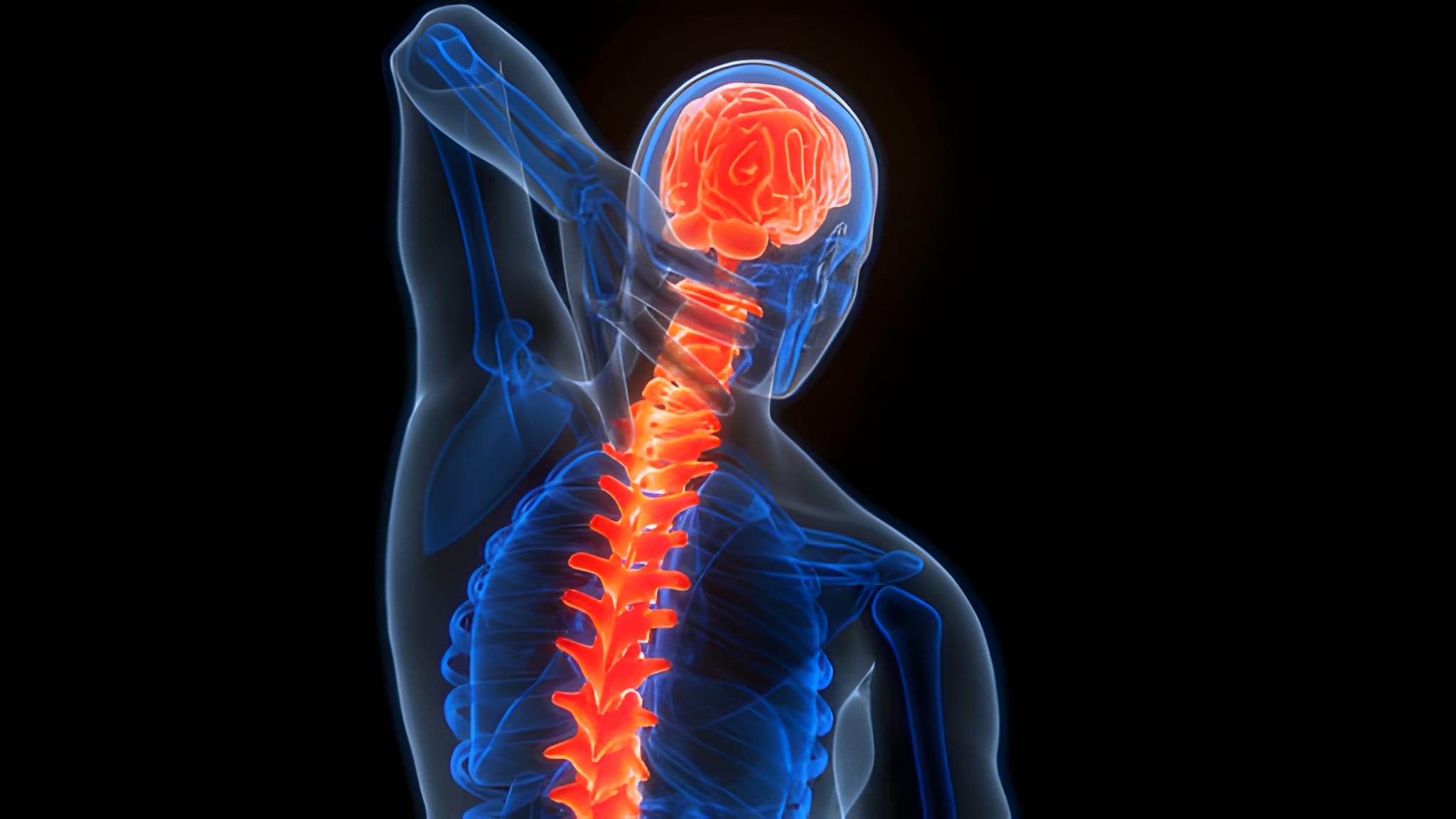
Spine surgery is a medical procedure that aims to address issues related to the spine. The spine is an essential component of the human body that enables us to stand, sit, walk, and perform various other physical activities.It consists of 33 vertebrae that are separated by intervertebral discs, which provide cushioning to the bones and flexibility to the spine. Best Brain and Spine Surgery In Marine Lines.
When is Spine Surgery Needed?
Some of the common causes include:
Herniated or Slipped Disc : When an intervertebral disc bulges out, pressing on nerves and causing pain or numbness.
Spinal Stenosis : A condition where the spinal canal narrows, leading to nerve compression and difficulty walking.
Degenerative Disc Disease : Wear and tear of the discs causing chronic pain and reduced flexibility.
Scoliosis & Spinal Deformities : Abnormal curvature of the spine that may require correction.
Sciatica & Nerve Compression : Radiating pain from the lower back down to the legs due to pinched nerves.
Spinal Fractures & Injuries Trauma-related damage that affects spinal stability and function.
Causes of Brain Surgery
Some of the common causes include:
Brain tumor (benign or malignant)
Exposure to Harmful Chemicals
Brain bleeding or blood clot (hematoma)
Brain aneurysm or arteriovenous malformation (AVM)
Hydrocephalus (fluid build up in the brain)
Epilepsy that does not respond to medications
Nerve or brain tissue damage
Infection or boils
Parkinson's disease and movement disorders
Symptoms of Brain Surgery
Some of the common Symptoms include:
Persistent or severe headache
Seizures or loss of consciousness
Vision problems (blurry, double vision)
Weakness or numbness on one side of the body
Difficulty speaking, understanding, or balancing
Personality or memory changes
Nausea, vomiting, or loss of coordination
Hearing loss or ringing in the ears (in some cases)
Symptoms of Spine Problems
Some of the common symptoms include:
Back pain or neck pain
Numbness or tingling in the arms or legs
Muscle weakness
Loss of bladder or bowel control
Shooting pain down the leg or arm
Stiffness or decreased range of motion
Causes of Spine Problems
Some of the common causes include:
Herniated Discs: When the outer layer of the intervertebral disc ruptures, it can cause the soft inner layer to bulge out, leading to pressure on the nerves and causing pain and discomfort.
Spinal Stenosis : A narrowing of the spinal canal can put pressure on the spinal cord or nerves, leading to pain, numbness, and weakness.
Scoliosis: A curvature of the spine can cause uneven pressure on the discs, leading to pain and discomfort.
Osteoporosis : A condition where bones become weak and brittle, making them more susceptible to fractures.
Tumors : Abnormal growths can develop on or around the spine, leading to pressure on the nerves and causing pain and discomfort.
Types of Brain Surgery
Brain injuries can range from mild to severe and may include:
Craniotomy: A part of the skull is temporarily removed to access and treat the affected area of the brain (for tumors, clots, aneurysms, etc.).
Minimally Invasive / Endoscopic Brain Surgery: Uses small incisions and a camera (endoscope) to treat brain conditions with less pain and faster recovery.
Stereotactic Surgery: A computer-guided, highly precise procedure used for biopsies or targeted treatments like radiosurgery.
Awake Brain Surgery (Awake Craniotomy): Performed while the patient is awake to monitor brain function and avoid damage to critical areas like speech or movement.
Deep Brain Stimulation (DBS): Electrodes are implanted in specific brain areas to control symptoms of Parkinson’s disease, tremors, or dystonia.
Ventriculostomy or Shunt Surgery: Creates a pathway or places a shunt to drain excess cerebrospinal fluid (used in hydrocephalus).
Tumor Removal Surgery: Removes benign or malignant brain tumors while preserving healthy tissue.
Types of Spine Surgery
Brain injuries can range from mild to severe and may include:
Vertebroplasty and kyphoplasty
Spinal laminectomy/spinal decompression
Discectomy
Foraminotomy
Nucleoplasty / plasma disk decompression
Spinal fusion
Why Choose Us
-
Specialized Trauma Expertise: Our neurosurgeon has extensive experience in managing critical brain and spine trauma cases.
-
24/7 Emergency Care: Immediate intervention for life-threatening injuries.
-
Advanced Surgical Techniques: Use of minimally invasive and neuronavigation-assisted procedures for precise treatment.
-
Comprehensive Rehabilitation: A multidisciplinary approach to help patients regain maximum function.
-
Compassionate Patient Support: Continuous guidance and care for patients and families throughout recovery.